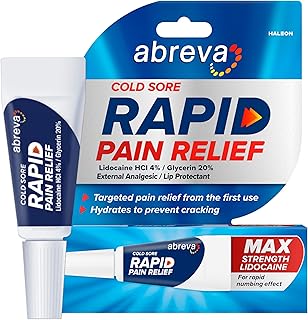
If you're one of the millions who suffer from cold sores, you know the familiar tingle, the unsightly blister, and the frustrating wait for it to heal. Finding a treatment that actually speeds up the process is the holy grail. Enter docosanol 10% cream, the active ingredient in the well-known brand Abreva. Marketed as a treatment that can heal your fever blister in as little as 2.5 days, it stands out as the only non-prescription cold sore medicine approved by the FDA. But does it live up to the hype? This deep dive explores how it works, what the science says, and what real users experience.
What is Abreva and How Does Its Active Ingredient Work?
Abreva is an over-the-counter topical cream whose power lies in a single, patented ingredient: docosanol 10%. Unlike many other remedies that merely soothe symptoms, docosanol is designed to target the root cause—the herpes simplex virus (HSV-1). It doesn't kill the virus. Instead, it works by a unique mechanism: it modifies the host cell membrane, preventing the virus from entering healthy skin cells to replicate. By blocking this entry, the viral spread is contained, allowing your body's immune system to tackle the infection more effectively and, in theory, shorten the healing time.
The Science and FDA Approval Behind Docosanol
The claim of healing in 2.5 days isn't just marketing fluff; it's backed by clinical studies. The FDA's approval of docosanol as a safe and effective cold sore treatment was a significant milestone, as it recognized its ability to modestly reduce healing time compared to a placebo. Research indicates that when applied at the first sign of a tingle or itch (the prodromal stage), docosanol can significantly impact the outbreak's duration and severity. This proactive approach is key to its effectiveness, making it a cornerstone of modern fever blister cream options.
How to Use Abreva for Maximum Effectiveness
To get the best results from any docosanol cream, timing and technique are everything. Here’s a step-by-step guide:
- Start Early: Apply at the very first sign—the tingling, itching, or burning sensation before the blister appears.
- Clean and Dry: Gently wash the area with soap and water and pat it completely dry.
- Apply a Thin Layer: Use a cotton swab or clean finger to apply a small amount, covering the entire affected area and a small margin of healthy skin around it.
- Repeat Frequently: Use it five times daily until the sore is completely healed. Consistency is crucial for maintaining the protective barrier against the virus.
- Wash Hands: Always wash your hands before and after application to prevent spreading the virus.
Common Mistakes and How to Avoid Them (The "Pitfalls")
Many users don't achieve the promised fast cold sore relief because of simple missteps. A major pitfall is starting treatment too late. Once the blister has fully formed, the virus has already replicated, and the cream's primary mechanism is less effective. Another mistake is applying it too infrequently; skipping applications breaks the protective barrier. Finally, using too much cream doesn't make it work faster—a thin layer is all that's needed for the active ingredient to function properly.
Abreva Reviews: What Do Real Users Say?
User experiences with Abreva are mixed but generally lean positive among those who use it correctly. Many rave about its ability to stop a cold sore in its tracks if applied at the first tingle, sometimes preventing a visible blister altogether. Others report a noticeable reduction in healing time, from the typical 7-10 days down to 4-5 days. However, some users express disappointment, often linked to starting treatment after the blister has erupted or expecting instant results. The consensus is that it's a valuable tool in the arsenal against cold sores, but it's not an instant magic bullet.
Comparing Abreva to Other Cold Sore Treatments
How does this FDA approved cold sore medicine stack up against alternatives?
- vs. Antiviral Prescriptions (e.g., Valtrex): Prescription pills are systemic and often more powerful for severe or frequent outbreaks but require a doctor's visit. Abreva offers a convenient, non-prescription first line of defense.
- vs. Other OTC Creams (e.g., Benzocaine): Many OTC creams contain analgesics like benzocaine, which only numb the pain. They don't target the virus like docosanol does.
- vs. Home Remedies (e.g., Lemon Balm, Ice): Some natural remedies have antiviral properties or can reduce inflammation, but they lack the rigorous clinical testing and FDA approval of docosanol.
Frequently Asked Questions About Docosanol Cream
Q: Can I use Abreva inside my mouth or on my genitals?
A: No. Abreva is approved only for external use on the face and lips for lip sore treatment. Do not apply it to mucous membranes.
Q: Is it safe for children?
A: It is generally considered safe for children over 12 years old. For younger children, consult a pediatrician.
Q: What if my cold sore doesn't heal in 2.5 days?
A: The 2.5-day claim is based on optimal use starting at the very first sign. Healing time can vary based on individual immune response, outbreak severity, and treatment timing. Continue use until fully healed.
Conclusion: Is Abreva the Right Choice for You?
Abreva, with its 10% docosanol formula, represents a significant advance in over-the-counter cold sore care. Its FDA-approved status and unique viral-blocking mechanism set it apart from mere symptom relievers. For best results, it demands vigilance—application at the first subtle sign—and consistency. While not everyone will experience the 2.5-day miracle, it is a proven, effective option for shortening the duration and discomfort of cold sores. If you're looking for a targeted, non-prescription treatment that addresses the cause, keeping a tube of this docosanol-based cream on hand could be a smart part of your health strategy.