In the vast world of nutritional supplements, few compounds have generated as much excitement and scientific validation as Astaxanthin. This naturally occurring carotenoid, responsible for the vibrant pink and red hues in salmon, shrimp, and flamingos, is now recognized as one of nature's most potent antioxidants. Unlike many fleeting health trends, the evidence supporting astaxanthin's multifaceted benefits for human health is robust and continues to grow. This comprehensive guide will delve into the science, explore its wide-ranging health applications, and provide practical advice for incorporating this powerful nutrient into your wellness regimen, including insights on high-quality options like premium 12mg formulations.
What exactly sets astaxanthin apart from other antioxidants like vitamin C or vitamin E? The answer lies in its unique molecular structure. Astaxanthin possesses a long chain of conjugated double bonds, which allows it to nestle securely within cell membranes, protecting them from oxidative damage from both the inside and outside. This 'spanning' capability is a key differentiator. Furthermore, it's a powerful quencher of singlet oxygen—a particularly destructive type of free radical. Research suggests its antioxidant activity can be up to 6,000 times stronger than vitamin C, 800 times stronger than CoQ10, and 550 times stronger than vitamin E or green tea catechins in certain assays. This extraordinary potency forms the foundation for its diverse health benefits.
The Multifaceted Health Benefits of Astaxanthin
The applications of astaxanthin supplementation are impressively broad, touching on several critical systems within the body. Its effects are not merely preventive but can also be supportive and enhancing for overall vitality.
Vision and Eye Health Support
One of the most well-researched areas for astaxanthin supplements is ocular health. The eyes are constantly exposed to light and are highly susceptible to oxidative stress. Astaxanthin has been shown to cross the blood-retinal barrier, where it helps protect the retina and may reduce eye fatigue, improve capillary blood flow in the retinal vessels, and enhance visual acuity. Studies, particularly from Japan, indicate it can help with conditions like computer vision syndrome and age-related eye strain, making it a valuable eye health supplement for the digital age.
Skin Health and Anti-Aging
As a skin health supplement, astaxanthin works from the inside out. It helps protect skin cells from UV-induced damage, a primary cause of premature aging. Clinical trials have demonstrated that supplementation can improve skin moisture levels, elasticity, and smoothness while reducing the appearance of fine lines and age spots. By fighting inflammation and oxidation at the cellular level, it supports the skin's natural defense mechanisms and promotes a healthier, more youthful complexion.
Joint and Muscle Recovery
For those seeking joint support supplements, astaxanthin offers a compelling natural option. Its powerful anti-inflammatory properties can help soothe joint discomfort and stiffness associated with normal wear and tear or physical activity. Furthermore, by reducing oxidative stress in muscles, it may aid in post-exercise recovery, decrease muscle damage, and improve endurance. This makes it popular among athletes and active individuals looking for natural ways to support their musculoskeletal system.
Immune System and Cardiovascular Support
Astaxanthin also plays a significant role in modulating the immune response. It enhances the body's production of natural killer cells and antibodies, strengthening the first line of defense against pathogens. For cardiovascular health, it supports healthy blood lipid profiles, protects LDL cholesterol from oxidation (a key step in arterial plaque formation), and promotes healthy blood flow and circulation. This internal circulatory support is a cornerstone of its systemic benefits.
Choosing the Right Astaxanthin Supplement: A Buyer's Guide
With the market flooded with options, selecting a high-quality astaxanthin product is crucial. Not all supplements are created equal, and several factors determine their efficacy and value.
Source and Bioavailability
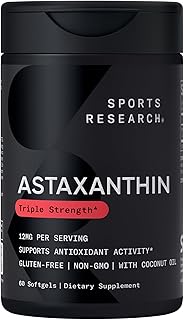
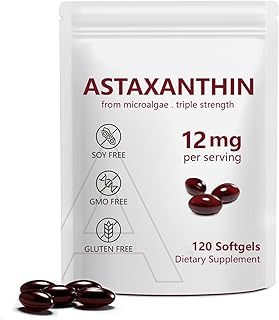
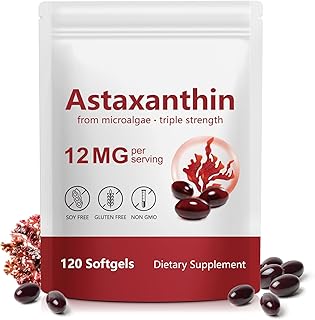
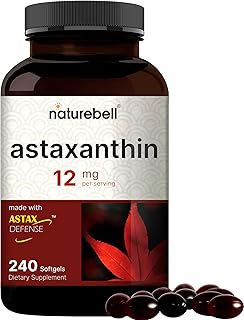
The highest quality astaxanthin is derived from the microalgae Haematococcus pluvialis. This natural source is superior to synthetic versions or those derived from yeast or krill, which contain much lower concentrations. Bioavailability is another critical factor. Astaxanthin is fat-soluble, meaning it's best absorbed when taken with a dietary fat. Many premium supplements, therefore, are suspended in oils like olive oil or MCT oil within a softgel to enhance absorption. A product like VOFANK's 12mg Astaxanthin softgels, for instance, is designed with this principle in mind, ensuring your body can effectively utilize the potent antioxidant you're ingesting.
Dosage and Concentration
Clinical studies have used a wide range of dosages, typically from 4mg to 12mg per day, with many benefits observed at the 12mg level. A 12mg dose represents a robust, therapeutic amount that aligns with much of the positive research. When evaluating a supplement, check the amount of *actual astaxanthin* per serving, not just the weight of the algae extract, which may contain only a small percentage of the active compound.
Purity and Additional Ingredients
Look for supplements that are non-GMO, gluten-free, and free from unnecessary fillers, artificial colors, and preservatives. The purity of the carrier oil is also important. Third-party testing for heavy metals and other contaminants is a mark of a reputable brand committed to quality and safety.
Integrating Astaxanthin into Your Daily Routine
For optimal results, consistency is key. Take your astaxanthin supplement with your largest meal of the day, preferably one that contains healthy fats (like avocado, nuts, or olive oil), to maximize absorption. While some benefits, like reduced eye strain, may be noticed within a few weeks, the full spectrum of effects on skin, joints, and systemic inflammation often becomes more apparent after 4 to 12 weeks of consistent use. As with any potent antioxidant supplement, it's part of a long-term wellness strategy, not an instant fix.
The Future of Astaxanthin Research
The scientific exploration of astaxanthin is far from over. Emerging research is investigating its potential neuroprotective benefits for brain health and cognitive function, its role in metabolic health and exercise performance, and even its applications in fertility. Its unique ability to protect mitochondria—the powerhouses of our cells—positions it as a nutrient of significant interest in the field of healthy aging and longevity science.
In conclusion, astaxanthin stands out as a remarkably versatile and powerful nutrient backed by substantial science. From safeguarding your vision and nourishing your skin to supporting your joints and fortifying your immune system, its benefits are both profound and practical. When choosing a supplement, prioritize natural Haematococcus pluvialis source, adequate dosage (such as 12mg), high bioavailability, and purity. By making a well-informed choice and committing to daily use, you can harness the power of this superior antioxidant to support your health and vitality for years to come.