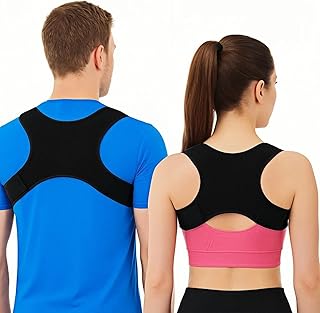
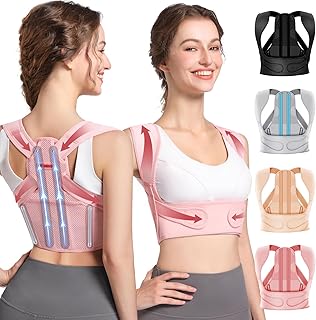
In today's digital world, where hours are spent hunched over desks and smartphones, poor posture has become a widespread issue affecting millions. The consequences extend beyond mere aesthetics, leading to chronic neck pain, upper back discomfort, and reduced mobility. This is where a posture corrector becomes an essential tool, not just for correction but for prevention and pain management. This comprehensive guide will explore the science behind posture support, the tangible benefits of using a brace, and provide a practical framework for selecting and using the right device to reclaim a pain-free, aligned spine.
Understanding the mechanics of poor posture is the first step toward correction. When we slouch, our head, which weighs about 10-12 pounds, pitches forward. For every inch it moves forward, the effective weight on our neck and upper back muscles increases by an additional 10 pounds. This strains the trapezius and levator scapulae muscles, compresses cervical discs, and can lead to conditions like forward head posture and kyphosis. A quality upper back support device works by providing gentle, consistent feedback. It doesn't force your body into position but rather reminds your muscles where they should be, encouraging them to engage correctly and retraining neuromuscular patterns over time.
The Multifaceted Benefits of Using a Posture Corrector
Investing in a posture brace yields a surprising range of benefits that improve overall quality of life. The most immediate and sought-after effect is neck pain relief. By aligning the head over the shoulders, pressure is taken off the cervical spine and surrounding muscles, alleviating tension headaches and stiffness. Furthermore, proper alignment opens up the chest cavity, improving breathing capacity and oxygen flow. Many users report increased energy levels simply because their body isn't working overtime to support a misaligned frame. Beyond physical health, standing tall projects confidence, can improve mood, and reduces fatigue associated with muscular strain.
How to Choose the Right Posture Corrector for You
Not all posture correctors are created equal. The market is flooded with options, making selection daunting. Your primary consideration should be adjustability. An adjustable posture brace is crucial because it allows you to customize the level of support as your posture improves and ensures a secure, comfortable fit for your unique body shape. Look for features like padded straps, breathable materials, and a design that targets the upper back and shoulder blade area effectively. For those seeking comprehensive support, a device that also offers clavicle support can be particularly beneficial in stabilizing the shoulder girdle. It's wise to read reviews and, if possible, choose a product with a return policy to ensure it meets your comfort needs.
Key Features to Prioritize
When evaluating options like the Posture Corrector for Women and Men, Back Brace Adjustable Upper Posture Support, focus on these key aspects:
- Adjustable Straps: Multiple points of adjustment ensure a personalized fit that is snug but not restrictive.
- Breathable Fabric: Mesh or moisture-wicking materials prevent overheating and skin irritation during extended wear.
- Targeted Support: The design should specifically cradle the upper back and pull the shoulders back gently.
- Comfort for Extended Wear: Padded edges and soft lining are non-negotiable for a comfortable posture support experience, encouraging consistent use.
- Discreet Design: A lower-profile brace can be worn under clothing, making it practical for all-day use at work or home.
A Step-by-Step Guide to Using Your Posture Corrector Effectively
To reap the full benefits, proper usage is paramount. Start slowly. Wear your back brace for just 15-30 minutes on the first day. This allows your muscles to adapt without shock. Gradually increase the duration by 15-30 minutes each day, aiming for several non-consecutive hours daily. It should be worn during sedentary activities like working at a desk, watching TV, or reading. Do not wear it while sleeping or during strenuous exercise. The corrector should feel supportive, not painful. If you experience numbness or increased pain, loosen the straps or remove the device. Remember, the goal is retraining, not reliance. Pair brace use with strengthening exercises for the core, back, and shoulder muscles to build the strength needed to maintain good posture independently.
Integrating Posture Correction into Your Daily Life
A posture corrector is a powerful tool, but it's most effective as part of a holistic approach. Set up an ergonomic workstation with your monitor at eye level. Take frequent breaks to stand, stretch, and walk. Incorporate exercises like rows, wall angels, and chin tucks into your routine to strengthen the posterior chain. Mindfulness is key—periodically check in with your body alignment throughout the day. The adjustable back brace serves as your physical reminder, but developing body awareness is the ultimate goal for lasting change. Consistency with your corrector, combined with these lifestyle adjustments, will lead to the most significant and sustainable improvements in your posture and reduction in pain.
Conclusion: Your Path to a Straighter, Healthier Back
Chronic back and neck pain doesn't have to be your normal. A well-designed posture support device can be a transformative first step on your journey to better spinal health. By understanding the benefits, choosing a device with the right features like adjustability and comfort, and using it correctly as part of a broader posture-conscious lifestyle, you can effectively counteract the strains of modern living. Investing in a quality posture corrector is an investment in long-term well-being, helping you stand taller, breathe easier, and live with less pain every day.