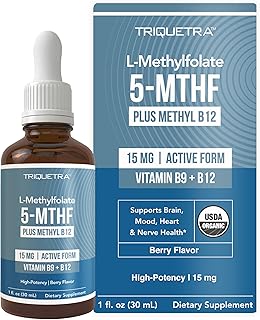
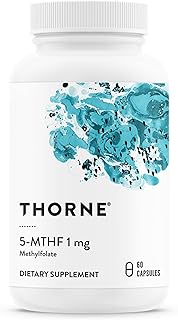
As a parent navigating the complex world of children's health and nutrition, you may have encountered the term Methylfolate. This isn't just another vitamin; it's the active, bioavailable form of folate (Vitamin B9) that your child's body can use immediately, without needing conversion. For children with specific genetic variations, particularly in the MTHFR gene, this direct form of folate is not just beneficial—it can be crucial for supporting optimal mood, behavior, and cognitive development. This guide will walk you through everything you need to know about methylfolate for kids, from the science behind it to practical considerations for supplementation.
What is Methylfolate and Why is it Important for Children?
Methylfolate, scientifically known as L-methylfolate or 5-MTHF, is the form of folate that is directly utilized in the body's methylation cycle. Methylation is a fundamental biochemical process involved in DNA synthesis, neurotransmitter regulation, detoxification, and cellular repair. For growing children, efficient methylation is vital for brain development, emotional regulation, and overall neurological function. Unlike synthetic folic acid found in many fortified foods and standard multivitamins, methylfolate bypasses the need for enzymatic conversion by the MTHFR enzyme, making it a superior choice for ensuring your child's body receives the folate it needs in a usable form.
Understanding MTHFR Gene Variations in Kids
The MTHFR gene provides instructions for making the methylenetetrahydrofolate reductase enzyme, which is critical for processing folate. Some children carry genetic variations (polymorphisms) in this gene, such as C677T or A1298C, which can reduce the enzyme's efficiency by 30-70%. This means their bodies struggle to convert dietary folate and synthetic folic acid into the active L-methylfolate. As a result, they may experience suboptimal levels of this crucial nutrient, potentially impacting areas governed by methylation. Supplementing with a direct source of active folate, like a specialized MTHFR supplement, can help bypass this genetic bottleneck and support their unique biochemical needs.
Key Benefits of Methylfolate for Child Development
Supporting Mood and Emotional Regulation
Neurotransmitters like serotonin, dopamine, and norepinephrine—key players in mood stability—rely on proper methylation for their synthesis. Methylfolate provides the methyl groups needed to create these chemicals. For children who may struggle with mood swings, irritability, or emotional sensitivity, ensuring adequate active folate can be a foundational step in supporting a balanced and resilient emotional state, contributing to overall mood support for kids.
Enhancing Cognitive Function and Focus
The brain is a hub of methylation activity. This process is essential for myelination (the insulation of nerve fibers), neurotransmitter production, and overall cognitive processing. Adequate levels of 5-MTHF support memory, learning, concentration, and mental clarity. Parents often explore kids methylfolate options to provide nutritional support for focus and academic performance, especially when standard interventions haven't addressed underlying nutritional biochemistry.
Promoting Healthy Behavior and Social Interaction
By supporting neurotransmitter balance and neurological health, methylfolate can indirectly influence behavior. Children with optimal methylation may demonstrate improved impulse control, better stress response, and more positive social interactions. It's important to view this as part of a holistic approach that includes diet, sleep, and environment, where a targeted supplement fills a specific nutritional gap.
Choosing the Right Methylfolate Supplement for Your Child
Not all supplements are created equal, especially for children. Here are critical factors to consider when selecting a methylfolate product for your little one.
The Superiority of Sublingual Delivery
For optimal absorption, sublingual methylfolate (administered under the tongue) is often recommended, especially for children. The mucous membranes in the mouth allow the nutrient to enter the bloodstream directly, bypassing the digestive system where absorption can be variable. This method ensures a higher bioavailability and is particularly useful for children who have digestive sensitivities or difficulty swallowing pills. A product like our Organic Kids L-Methylfolate + Methyl B12 Cofactor utilizes this efficient delivery system.
Importance of Methyl B12 as a Cofactor
Methylfolate and methylcobalamin (active B12) work synergistically in the methylation cycle. They are like partners in a biochemical dance. Supplementing with methylfolate without sufficient B12 can potentially lead to an imbalance. A high-quality formula will include both, as seen in our sublingual blend that combines L-methylfolate with methyl B12 for comprehensive support.
Adjustable Dosing for All Ages
Children's needs vary greatly by age, weight, and individual biochemistry. A supplement with adjustable dosing, typically provided via a dropper, allows parents to tailor the amount precisely. This flexibility is essential for starting with a low dose to assess tolerance and gradually adjusting to find the optimal level for your child's unique needs, making it a versatile organic kids vitamin choice.
Purity and Quality: The Organic Advantage
Choosing an organic formula minimizes your child's exposure to pesticides, synthetic additives, and unnecessary fillers. An organic berry flavor, for instance, makes the supplement palatable without relying on artificial flavors, colors, or sweeteners. This commitment to purity aligns with a holistic approach to health, ensuring you're giving your child a clean and effective form of active folate.
How to Introduce Methylfolate to Your Child's Routine
Starting a new supplement requires a mindful approach. Always consult with your child's pediatrician or a qualified healthcare practitioner familiar with methylation biochemistry before beginning. It's generally advised to start with a very low dose (often just a few drops of a liquid sublingual form) and observe your child for several days. Monitor for any changes in sleep, mood, energy, or digestion. Gradually increase the dose as tolerated, following product guidelines or professional advice. Consistency is key, as the benefits of supporting the methylation cycle are cumulative over time.
Addressing Common Parental Concerns
Is Methylfolate Safe for Kids?
When used appropriately and at proper pediatric doses, methylfolate is generally considered safe. It is the natural, active form of a vitamin essential for life. The safety profile is significantly higher than that of synthetic folic acid, which can mask B12 deficiencies and may not be metabolized well in children with MTHFR variations. Choosing a product specifically formulated for children, with clean ingredients and adjustable dosing, further enhances safety.
Can My Child Get Enough Methylfolate from Diet Alone?
Dietary sources of folate include leafy green vegetables, legumes, and citrus fruits. However, the folate from food still requires conversion by the MTHFR enzyme to become active L-methylfolate. For children with efficient genetics, a nutrient-dense diet may be sufficient. For those with MTHFR variations, high nutritional demands, or picky eating habits, dietary folate may not convert adequately, making a direct 5-MTHF supplement a valuable tool to ensure sufficiency.
What Should I Look for on a Label?
Seek out "L-methylfolate," "5-MTHF," or "(6S)-5-methyltetrahydrofolate" as the active ingredient. Avoid products listing "folic acid" as the primary folate source if you are specifically seeking the active form. Check for complementary nutrients like methyl B12 and a clean list of inactive ingredients. The Organic Kids L-Methylfolate + Methyl B12 Cofactor clearly states its active ingredients and is free from common allergens and artificial additives.
The Takeaway: Empowering Your Child's Health from the Inside Out
Understanding the role of methylfolate opens a door to targeted nutritional support for your child's developing brain and nervous system. Whether addressing a known MTHFR variation or simply seeking the most bioavailable form of folate to support mood, behavior, and cognition, this active nutrient is a cornerstone of advanced pediatric wellness. By choosing a high-quality, child-friendly form like an organic, sublingual, and adjustable-dose supplement, you can provide precise support tailored to your child's individual needs, laying a strong biochemical foundation for their growth and well-being.